
Understanding and Managing : Cluster Flies
As the seasons change and temperatures drop, many homeowners face a common nuisance, cluster flies. These pests, often mistaken for regular houseflies, can invade homes in large numbers, particularly during the autumn and winter months. Understanding their behaviour and implementing effective treatments is essential for maintaining a pest-free home or office space.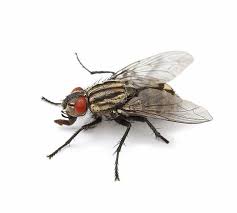
What Are Cluster Flies?
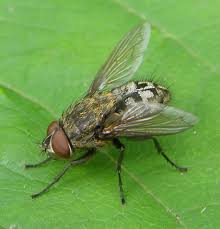
Cluster flies (Pollenia rudis) are larger than common houseflies, with a distinct golden sheen on their bodies. Unlike houseflies, cluster flies do not breed in waste or decaying matter, Instead, they prefer to lay their eggs in their own excrement, where their larvae hibernate and then hatch. Adult flies typically emerge in late summer and begin seeking shelter as the weather cools.
Why Do They Invade Homes?
As temperatures drop, cluster flies search for warm, sheltered places to hibernate. This often leads them to enter homes, particularly through gaps around windows, doors, attic areas and vents. Once inside, these flies tend to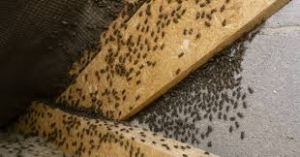
congregate in clusters, often in attics, ceilings, and wall voids, hence the name “cluster flies.”
Identifying a Cluster Fly Infestation:
Recognising a cluster fly infestation early can help prevent a more significant problem. Signs include: – Swarms of adult flies near windows or light fixtures – Flies resting on walls, ceilings, or in corners – A noticeable increase in fly activity, particularly in the fall and winter months.
Prevention Tactics:
The best strategy against cluster flies is prevention. Here are several effective tactics to keep these pests at bay:
- Inspect your home for gaps and cracks where cluster flies may enter. Use caulk or weather stripping to close off these entry points, especially around windows, doors, and utility lines.
- Ensure that attics and crawl spaces are well-ventilated. Good airflow can help reduce the humidity and warmth that attract cluster flies.
- Keep your home clean and clutter-free. Regularly check for and dispose of any potential breeding sites, such as decaying organic matter outside.
Treatment Options:
If cluster flies have already invaded your home, several treatment options can help eliminate them.
If you notice cluster flies indoors, a vacuum is an effective way to remove them. Be sure to dispose of the vacuum bag or contents outdoors to prevent them from re-entering.
Effective Treatment Strategies:
Consider using insecticidal sprays specifically formulated for cluster flies. Apply these sprays to areas where flies congregate. Always follow the manufacturer’s instructions and consider safety precautions for pets and children.
For severe infestations, hiring a pest control professional may be the best course of action. They have the knowledge and tools necessary to assess the situation and implement effective treatments.
Call Pestwise Pest Control on 01933 388177
Conclusion:
Cluster flies can be more than just a nuisance; their presence in your home can indicate potential issues with insulation and entry points. By understanding their behaviour, implementing prevention strategies, and utilising effective treatment options, you can keep your home free from these seasonal pests.
Regular maintenance and vigilance are key to ensuring that cluster flies do not make themselves at home in your living space. Through proactive measures, homeowners can enjoy a peaceful, pest-free environment year-round.


